


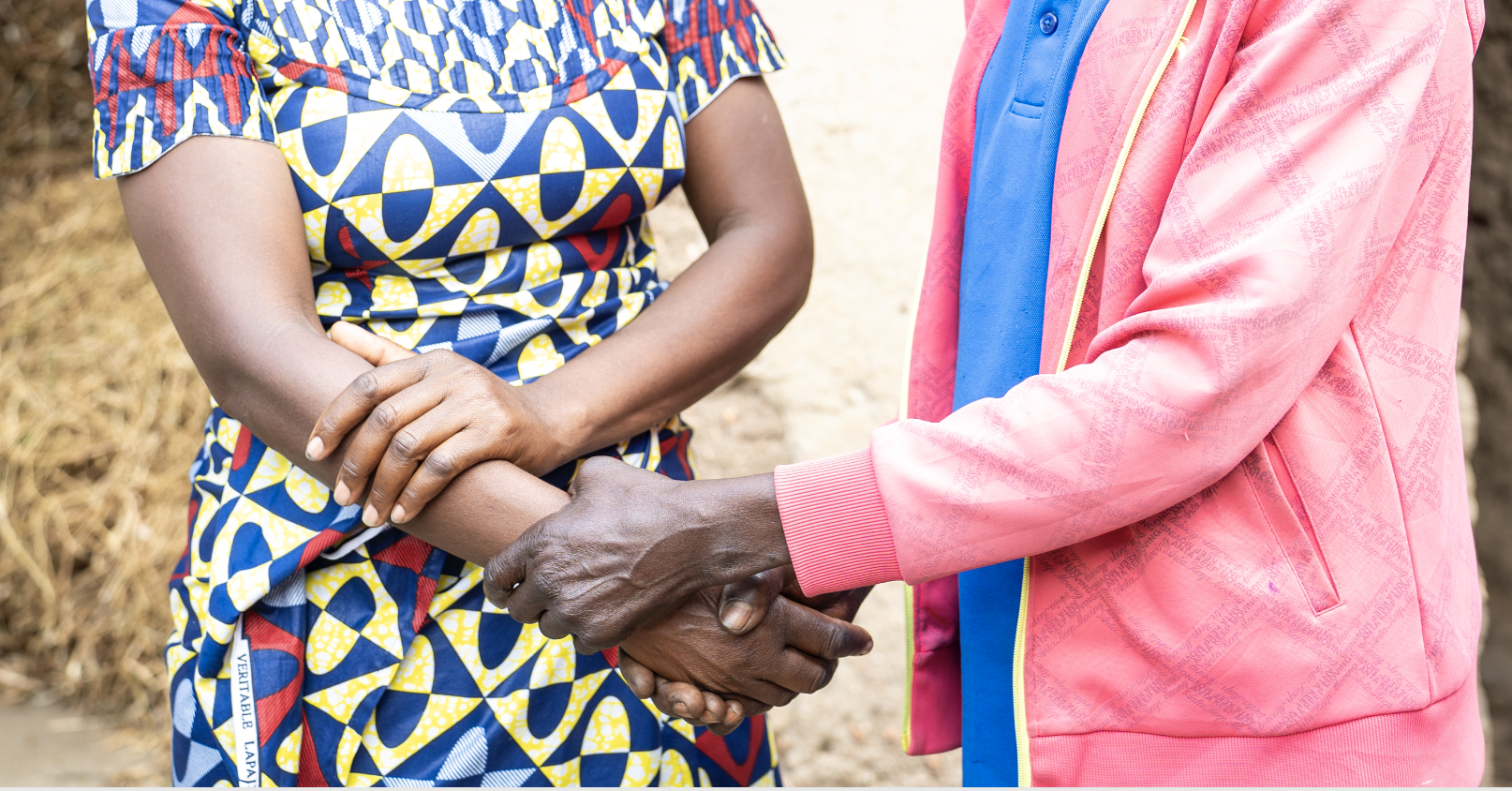
By Nadine Nirere
My name is Murindabigwi*, I am a 65 years old man. I went to jail twice because of the looting I did during the 1994 Genocide against the Tutsi, and I failed to pay for what I had taken. I was also imprisoned for physically abusing my wife. I was known at the sector office because of the conflicts with my wife. I refused to work or take care of my family. Instead, whenever my wife bought cattle, I would sell them without her knowledge and use the money to drink.
I often lived on the streets, drank a lot, and returned home only to quarrel. I did not love myself, did not take care of my hygiene, and was always dirty. While I was in jail, the sisters who were our neighbors took care of my family. They sent my children to school and even built a house for us. But when I returned from prison, instead of helping my wife, I continued to mistreat her, financially, by selling what she earned; physically, by beating her; and emotionally, by insulting her with harsh words. Even my children would run away in fear when they saw me.
Then I was recruited to join a sociotherapy group. In the group, we first talked about safety, and I realized that my home was not a safe place. We then discussed trust, and I realized that my family did not trust me because of how I had treated them. During the discussions, the group members gave me advice on how, even though I had misbehaved, I could still ask for forgiveness and start changing my behavior.
After these discussions, I began greeting my family when I came home, which I had never done before. Previously, I would come home fighting, but now I started greeting them, and they responded. I also learned to help with chores and to collect fodder for our cattle.
One day, my wife bought me a gift. I shared this in the sociotherapy group and realized that she gave it to me because I had started approaching her respectfully, stopped beating her and the children, and made her feel safe. She had started taking care of me as well.
I have been living with my wife for 35 years, but we were never married. Because of the changes in our home, I felt that now we could get married. We decided to get married at the end of 2024.
I was later invited to attend another sociotherapy group graduation to share my testimony. I went there with my wife, and we were like honeymooners. Before, my wife would never have accepted marrying me, but because sociotherapy helped me become a better man who cares for his family and does not abuse his wife, she accepted.
Today, I live in peace with my family. I help with household activities. We used to rent out our land to others and get only a small harvest. Now we farm our land together, and our home is prospering. We also have cows that we breed, whereas before, I would have sold the goats my wife bought.
*Name changed