


By Nadine Nirere
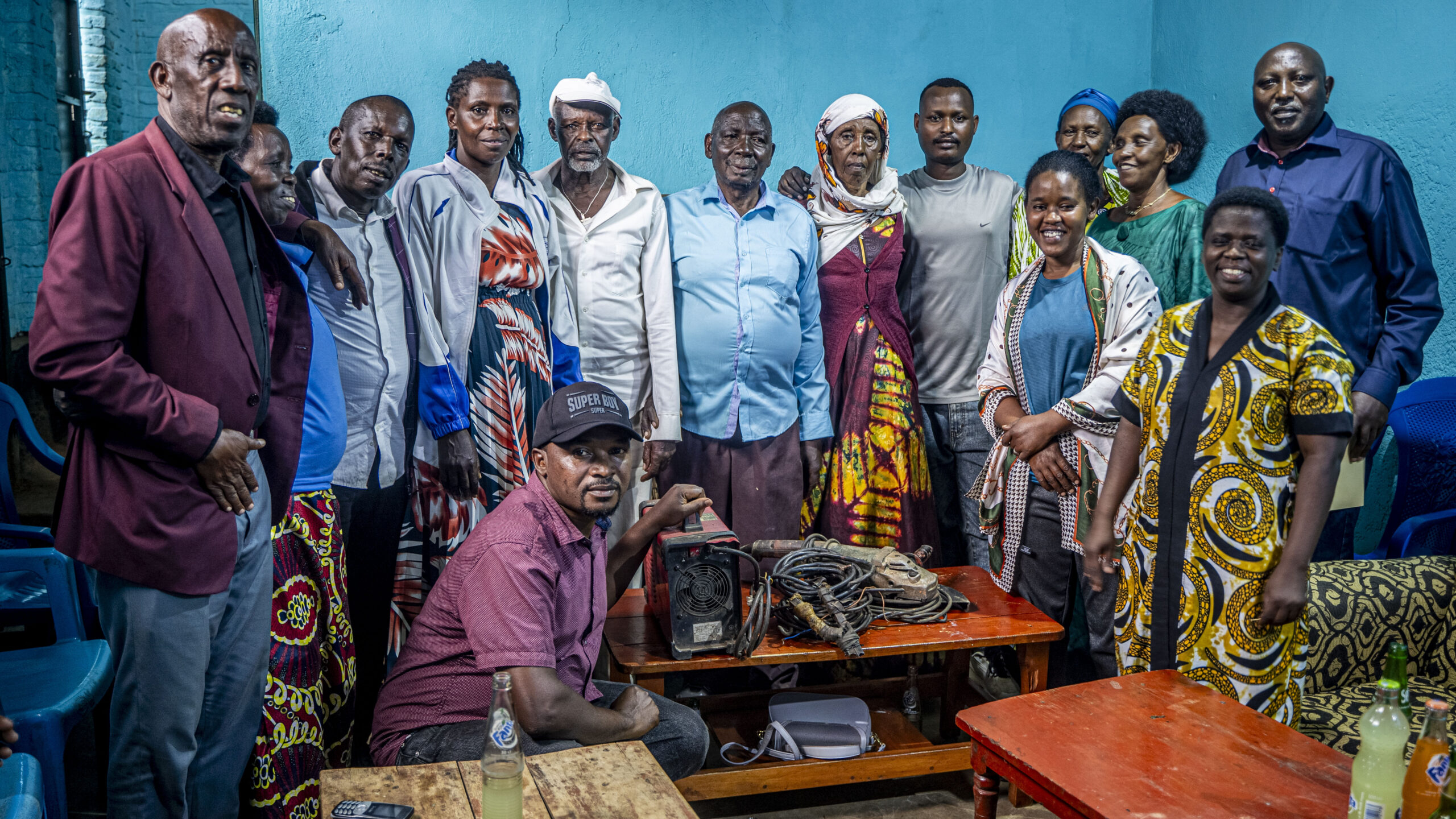
In the midst of the 100 days of commemoration of the 1994 Genocide against the Tutsi in Rwanda, in Gasabo District within Rusororo Sector, a sociotherapy graduate group of Mataba village recently gathered for a solemn act of solidarity and support. Members of the group Abunzubumwe (The united ones) came together to stand with survivors.
What made this moment especially powerful is that this was the first time the group organized such an initiative together, not as participants in a project, but as a united community that continues to grow long after the formal sociotherapy sessions ended.
The Abunzubumwe group completed its Community-Based Sociotherapy journey in 2023 under a project that has since concluded. The group is made up of 14 members, including survivors of the Genocide against the Tutsi, ex-prisoners who participated in the genocide, and returnees who had fled Rwanda in 1959 and later came back to the country.
Their journey reflects one of the most important outcomes of Community-Based Sociotherapy: sustainable social and economic transformation beyond the sessions themselves.
After completing the sociotherapy process, the members chose to continue meeting regularly. What began as a healing space evolved into a platform for trust, collaboration, and collective development.
Today, the group continues to meet every week through a self-organized initiative. During their gatherings, members discuss the challenges and progress of the week, support one another emotionally, save money collectively through a group savings system, and provide small loans among themselves.
Over time, they developed a strong culture of saving and mutual support:
- Members save amounts ranging from 500 to 5,000 RWF
- They also contribute to an emergency solidarity fund
- Once every month, the group visits one member’s home and contributes support, with each member giving 1,000 RWF
With support and project development training from CBS Rwanda, the group strengthened its economic activities. Combining their savings and additional support they received, they invested in income-generating initiatives.
Together, they:
- Purchased a welding machine
- Rent agricultural land for farming activities
- Sell harvests collectively
- Save profits in a shared fund and distribute benefits at the end of the year
These initiatives demonstrate how rebuilding trust and relationships through sociotherapy can create a foundation for long-term economic resilience and community cohesion.
During the gathering, the local village leader praised both the sociotherapy initiative, locally known as Mvura Nkuvure, and the Abunzubumwe group for their unity, consistency, and practical achievements. He highlighted the group as a model for other community groups in the area and expressed his intention to encourage others to learn from their example.
Four years later, the group continues to stand together through both difficult and joyful moments.
Their story reminds us that Community-Based Sociotherapy is not only about healing past wounds. It is also about restoring human connection, rebuilding trust, and strengthening social dignity within communities, and creating pathways toward collective social and economic development.
The strength of Abunzubumwe lies not only in what they survived, but in what they continue to build together.